The Power of Virtual Staging: Transforming Vacant Homes for Maximum Appeal
The Power of Virtual Staging: Transforming Vacant Homes for Maximum Appeal
Imagine walking into a vacant home. The rooms are empty, the walls echo your footsteps, and it’s hard to picture where your favorite armchair or family photos might go. For many buyers, this blank canvas can feel overwhelming—making it tough to connect emotionally or visualize the home’s full potential. That’s where virtual staging steps in, offering a modern, cost-effective solution that’s changing the way real estate is marketed today.
What Is Virtual Staging?
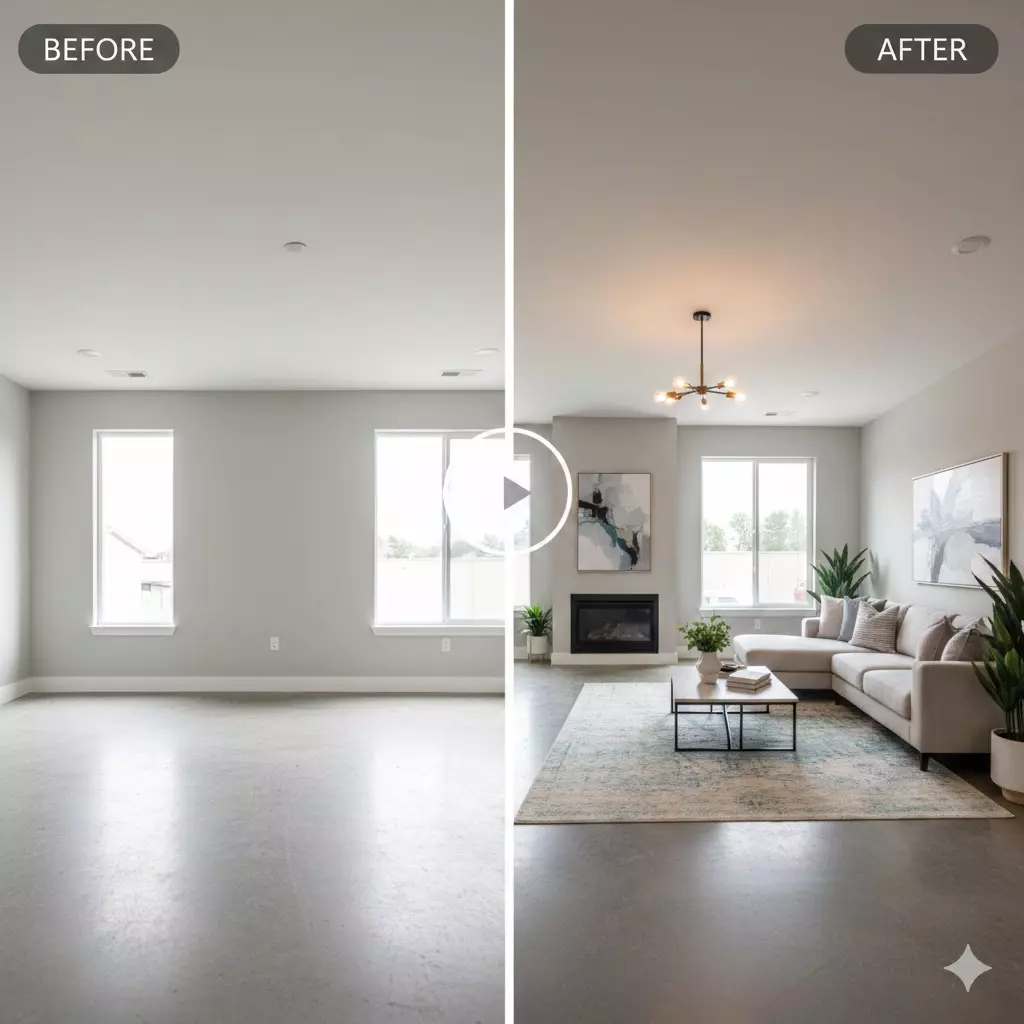
Virtual staging uses advanced digital technology to add realistic furniture, décor, and even lighting to photos of empty rooms. Unlike traditional staging, which involves physically moving furniture and accessories into a property, virtual staging is done entirely on a computer. The result? Beautifully furnished spaces that help buyers see a home’s possibilities—without the time, expense, or hassle of physical staging.
Why Virtual Staging Works for Vacant Homes
Vacant homes can be a tough sell. Without furniture, even the most spacious rooms can seem cold or smaller than they really are. Virtual staging bridges that gap by creating inviting, attractive images that grab attention online and help buyers imagine themselves living there. Here’s why virtual staging is such a game-changer for vacant properties:
- Cost-Effective: Traditional staging can cost thousands of dollars per month, especially for large or luxury homes. Virtual staging, on the other hand, delivers professional results at a fraction of the price—making it accessible for more sellers.
- Quick Turnaround: With virtual staging, there’s no need to wait for furniture deliveries or schedule movers. Digital designers can transform listing photos in just a few days, helping you get your property on the market faster.
- Flexible & Customizable: Want to appeal to young professionals and families? Prefer a modern or classic look? Virtual staging allows you to customize each room’s style to match your target buyers, even offering multiple décor options for the same space.
- Highlights Key Features: Virtual staging can draw attention to a home’s best assets—like large windows, open layouts, or unique architectural details—that might go unnoticed in empty rooms.
- Boosts Online Engagement: Most buyers start their search online, and listings with beautifully staged photos stand out from the crowd. Virtual staging can increase clicks, shares, and showings by making your property look its absolute best.
- Safe & Convenient: Especially in today’s world, minimizing in-person contact is a plus. Virtual staging eliminates the need for movers or stagers to enter the home, offering a safe, contactless alternative.
Real-Life Example: Turning an Empty House into a Dream Home
Consider a recent listing: a spacious, sun-filled home that had been sitting vacant for months. Despite its great location and modern amenities, buyers couldn’t see past the empty rooms. After virtually staging the living room, dining area, and primary bedroom with warm, inviting furnishings, online interest skyrocketed. Showings doubled within a week, and the home sold above asking price—all thanks to the power of imagination and digital design.
SEO Benefits: Why Virtual Staging Helps Your Listing Get Found
It’s not just buyers who notice virtually staged homes—search engines do, too. Listings with high-quality, visually appealing images tend to rank higher in search results, making your property more visible to potential buyers. Plus, when you use keywords like “virtual staging,” “digitally staged home,” and “enhanced real estate photos,” you’re tapping into what buyers are searching for online. This increases traffic to your listing and can shorten your time on market.
Tips for Sellers: Making the Most of Virtual Staging
- Choose a Reputable Provider: Not all virtual staging is created equal. Look for companies with a proven track record and a portfolio of realistic, high-quality work.
- Be Transparent: Always disclose that the images have been virtually staged. This builds trust with buyers and avoids surprises during in-person showings.
- Stage Key Rooms: Focus on the spaces that matter most—living rooms, kitchens, and primary bedrooms. These are the rooms buyers remember.
- Keep It Realistic: Avoid over-the-top designs or adding features that don’t exist in the home. The goal is to inspire, not mislead.
- Use High-Resolution Images: Crisp, clear photos make the virtual staging look more realistic and professional.
Frequently Asked Questions About Virtual Staging
- Is virtual staging legal? Yes, as long as you disclose that the images are digitally enhanced.
- Can buyers tell the difference? High-quality virtual staging is often indistinguishable from real staging in photos, but buyers will notice the difference during showings—so transparency is key.
- Does virtual staging work for every home? It’s most effective for vacant or sparsely furnished homes, but it can also help refresh dated spaces or show alternate layouts.
Conclusion: Embrace the Future of Home Marketing
Virtual staging is more than just a trend—it’s a smart, strategic way to help your vacant home stand out in a crowded market. By combining creativity with cutting-edge technology, you can transform empty rooms into inviting spaces that capture buyers’ hearts and imaginations. Whether you’re a homeowner looking to sell or a real estate agent seeking an edge, virtual staging is a tool you won’t want to overlook.
Categories
Recent Posts